The Conservation Committee of the Weston & Wayland Rotary Club has made great progress transforming Sears Field into a thriving native plant habitat. Over the past few seasons, native plants such as St. John’s Wort and Wild Bergamot have taken root, helping to support the local ecosystem and pollinator populations.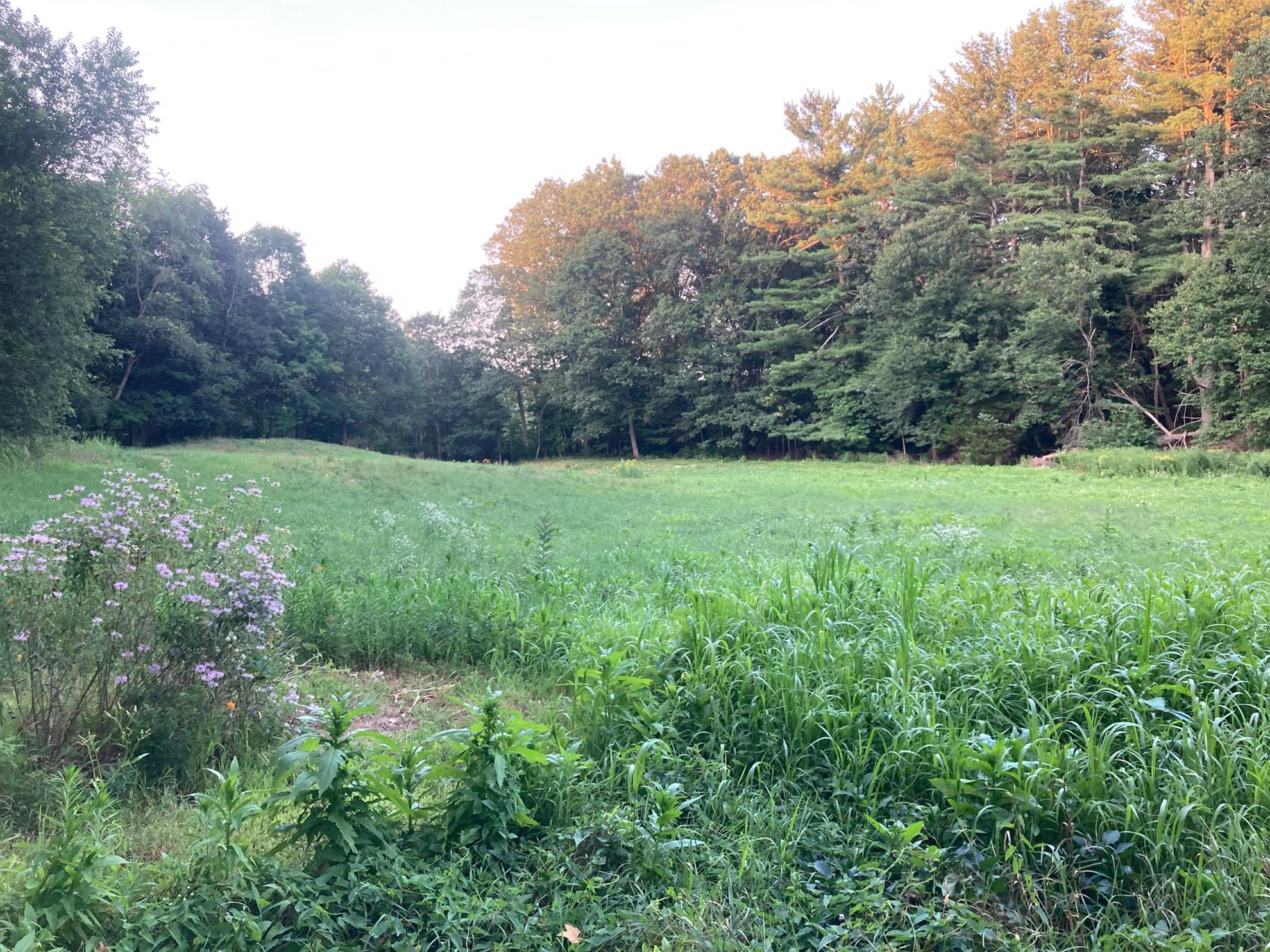
Looking ahead, the team is considering a new model inspired by the Newton Conservators’ successful efforts at Cold Spring Park in Newton. There, under the guidance of UMass Dartmouth Professor Robert GeGear, they’ve introduced a diverse range of 30 native plant species. These species were chosen for their ability to bloom successively from spring through fall, providing continuous food sources for native pollinators such as moths, butterflies, bees, hornets, and wasps—all of which are increasingly threatened in Massachusetts.
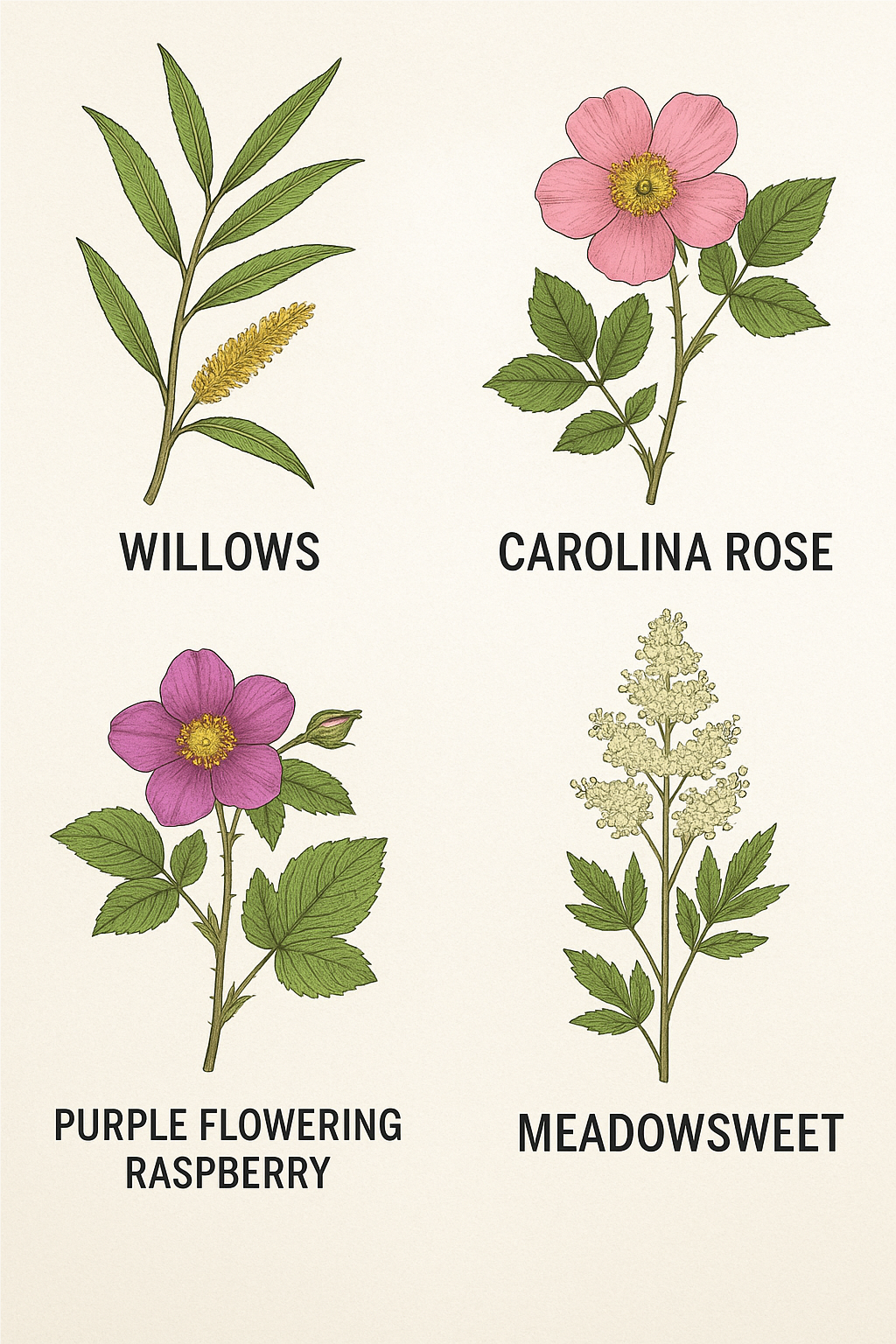 Some of the plants being considered for future introduction at Sears Field include Willows, Carolina Rose, Purple Flowering Raspberry, Meadowsweet, Wood Betony, Foxglove Beardtongue, Self-Heal, and Purple Giant Hyssop. These species, along with those already thriving in the field, offer vital nectar and habitat for imperiled native insects.
The Conservation Team will be exploring this concept further in the coming months, with hopes of expanding the native plantings in 2025.
If you’re interested in helping with this important work at Sears Field, please reach out to Charlie Hamlin or Katya Portnaya. Your support can make a lasting impact on local biodiversity!